
Wasseem Emam is the Founder and Executive Director of Ethical Seafood Research (ESR), a UK-registered nonprofit advancing animal welfare in aquatic food systems across the Global South. He is a researcher in veterinary sciences at the Complutense University of Madrid, focusing on animal welfare improvement in semi-intensive aquaculture systems in LMICs. ESR’s work spans field-based welfare research and protocol development for farmed fish and crustaceans, welfare code development in Kenya, policy engagement in Egypt, and a growing programme exploring seaweed farming as a lower-impact alternative to the rearing of sentient animals.
In this guest post, Wasseem explores whether seaweed farming could offer a more ethical and sustainable solution to global food security challenges than intensive aquaculture. In this guest post, he examines the hidden waste and welfare issues associated with conventional fish farming, while highlighting seaweed’s potential to reduce environmental impact, support coastal communities, and strengthen climate-smart food systems.

When many businesses think about solutions to food waste, they focus on reducing supply chain losses and urging consumers not to waste food. However, a key way to cut waste is by rethinking what we produce. For aquatic foods, this means considering whether investing in seaweed, rather than ramping up intensive fish farming, could provide more food, generate less waste, and avoid tough ethical choices.
When aquaculture creates waste instead of food
Conventional finfish aquaculture is often seen as the solution to growing seafood demand, but many intensive farms do not match the efficiency promised to investors. Crowded conditions, fast growth targets, and stressful handling raise the risk of disease and death, especially for valuable species like salmon. In recent years, Scottish farms have reported millions of salmon dying before harvest, which means a big loss of edible fish and clear animal welfare problems.
Intensive aquaculture a welfare concern
“While intensive farming of land animals is very much on the radar of those concerned about animal welfare, food security, and environmental health, the challenges of aquaculture remain less explored”, says Francesca Gallelli, Food Systems Officer at the World Federation for Animals. However, intensive aquaculture systems, such as open-net fish farms, bring with them many similar challenges to what we often refer to as ‘factory farms.’ Sentient aquatic animals are reared in cramped, crowded conditions, unable to perform their natural behaviours, such as travelling long distances, and are more vulnerable to disease and infection.
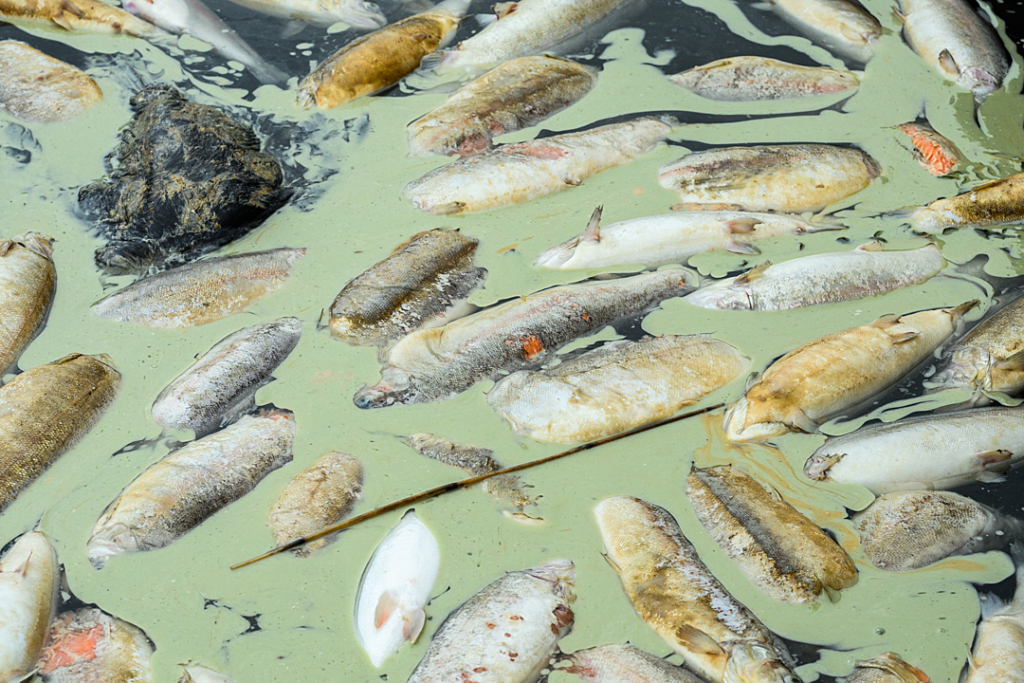
The deaths at salmon farms in Scotland are not only an animal welfare issue but also a clear example of food waste. Farmed salmon eat a lot of wild-caught fish and other resource-heavy feed, but much of this is wasted when fish die before they can be harvested. Meanwhile, waste and chemicals from farms pollute local waters and can spread disease to wild fish, which hurts ecosystems and long-term food security.
Seaweed: aquatic production with minimal inputs
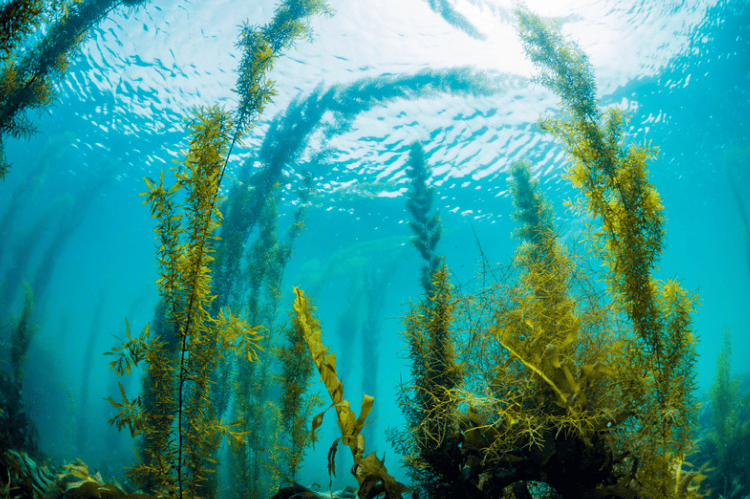
Seaweed farming changes this picture. Growing seaweed does not require feed, antibiotics, or freshwater, which avoids some of the biggest costs and sustainability problems in animal aquaculture. Seaweed uses photosynthesis and absorbs nutrients from the water, so farms can produce biomass while removing extra nitrogen, phosphorus, and carbon dioxide. This helps clean the water and reduces problems like nutrient pollution and ocean acidification.
Because of these qualities, seaweed is a low-input, low-emission source of food and ingredients. Studies show that seaweed farming can help the environment by storing carbon, providing habitats, and protecting shorelines, while also supporting a more plant-based and circular food system. For food producers and retailers aiming to meet climate and nature goals, adding seaweed to their products is a practical way to support ESG commitments.
Local jobs, local value, global markets
From a business point of view, seaweed farming can build strong, local value chains instead of just extracting resources. Examples from East Africa and Southeast Asia show that small seaweed farms have created new income for coastal families, including women who are often left out of fishing and aquaculture jobs. In some Kenyan projects, women-led groups have increased their earnings over the past decade as they moved from small trials to larger production and processing, which has also helped local food security and community services.
At the same time, demand for seaweed and seaweed‑derived ingredients is expanding well beyond traditional Asian food markets. Global reports emphasise growing opportunities in functional foods, meat and dairy alternatives, snacks, biostimulants, bioplastics, and even pharmaceuticals, creating diversified revenue streams rather than reliance on a single commodity use. For investors and food companies, this means seaweed can serve as both a climate‑aligned raw material and a platform for new product development in the broader alternative protein and sustainable ingredients space.
From fish feed to human food: seaweed and food security
A core ethical challenge in intensive fish farming is that high‑value farmed species often convert edible wild fish and crops into luxury export products, rather than directly improving access to affordable nutrition where production occurs. By contrast, seaweed can be cultivated without displacing terrestrial crops or using wild fish, and then directed straight into human food, or into applications that displace more resource‑intensive ingredients across the value chain.
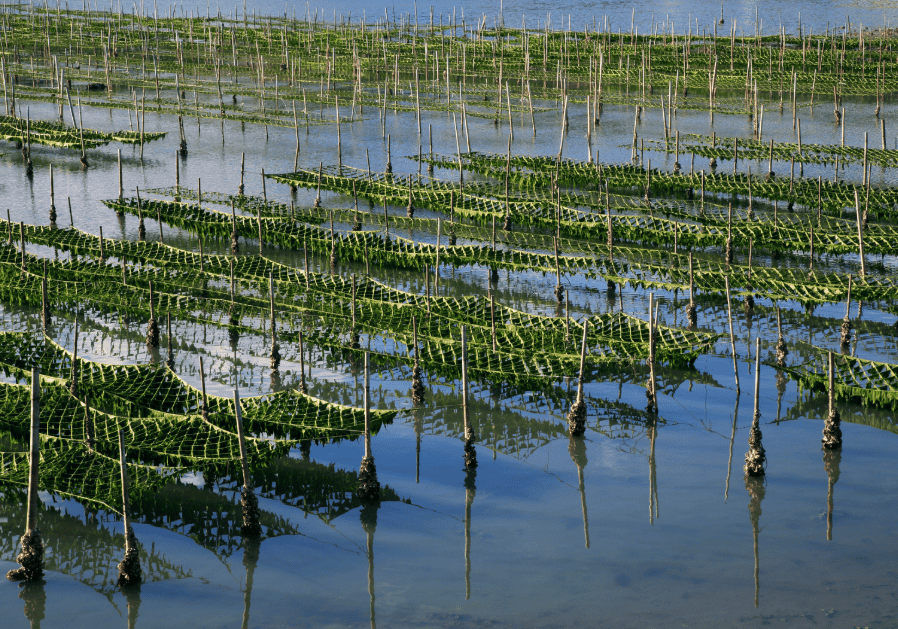
New research shows that adding seaweed to plant-based and mixed foods can lower the environmental impact of meals while providing fibre, minerals, and other healthy compounds. In a Dutch life‑cycle assessment, adding sugar kelp to vegetarian burgers reduced their global warming potential and land use compared with similar burgers without seaweed. This shows how seaweed can help the shift to new protein sources, both as food and as an ingredient. For business buyers, focusing on seaweed-rich products is a smart move: it can boost food security, cut waste, and help companies stand out for sustainability.
An ethical way to stop food waste for aquatic foods
If we are to take food waste reduction seriously, industry leaders need to examine where waste and harm are built into how we produce food. In export-focused fish farming, high death rates, feed losses, and pollution show that a lot of resources are wasted before food even reaches people. Expanding these systems without fixing welfare and environmental problems will only create more waste, not less.
Making seaweed a bigger part of company sourcing, innovation, and investment offers a new way forward. Seaweed farming can produce food and ingredients without feed, freshwater, or animal slaughter, while also supporting the environment and coastal communities. For companies committed to reducing waste and meeting ethical, climate-smart food security goals, the real question is not if seaweed belongs in future plans, but how quickly they can create the partnerships, products, and policies to make seaweed a regular part of the global food system.